Editing
Editing that keeps the book's voice intact.
At Jaico Publishing House I handled fifteen titles across fiction, nonfiction and acquired rights, from the first read of a manuscript to the printed dummy.
Jaico Publishing House
Mumbai · 2021 to 2023
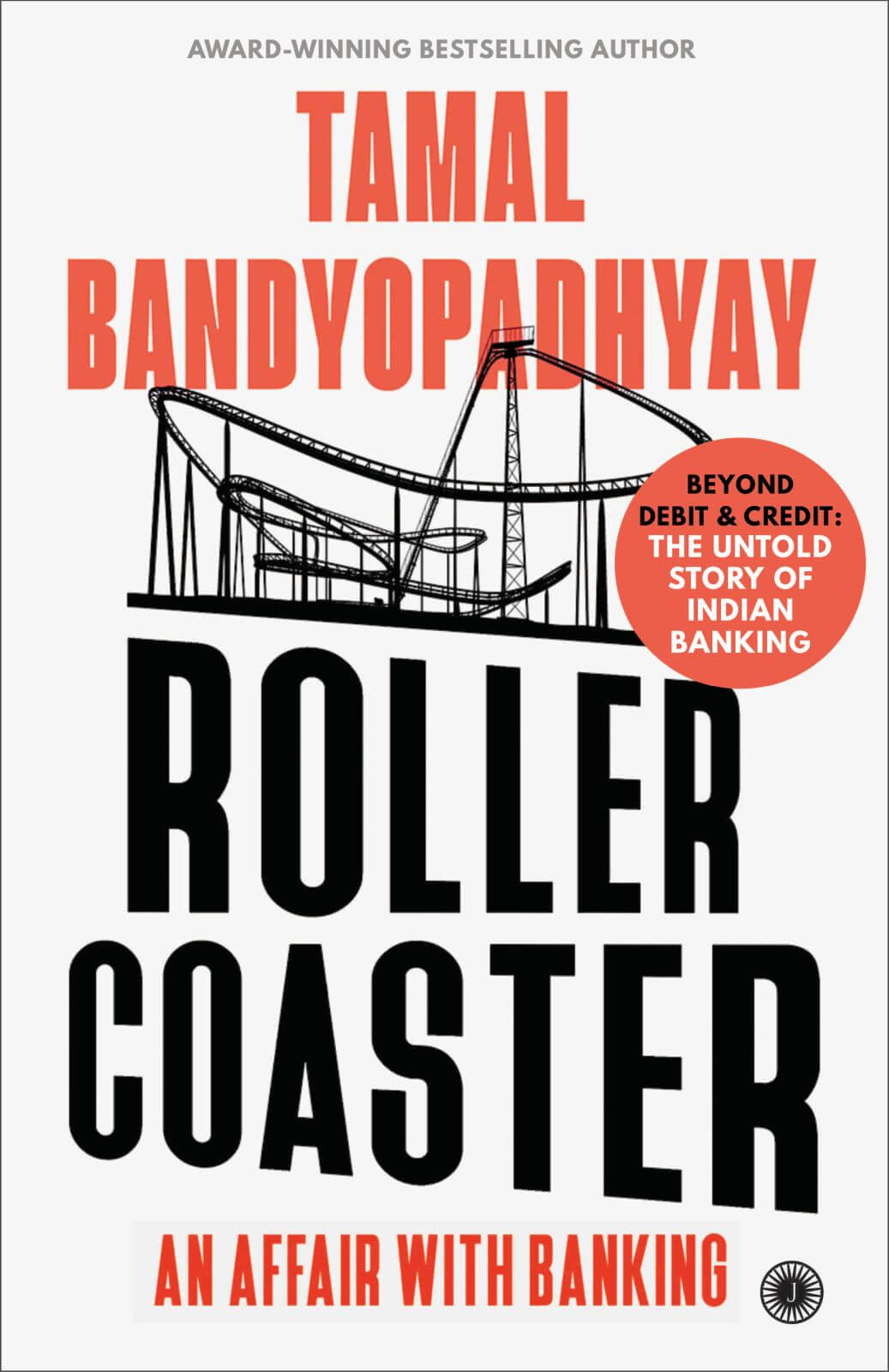
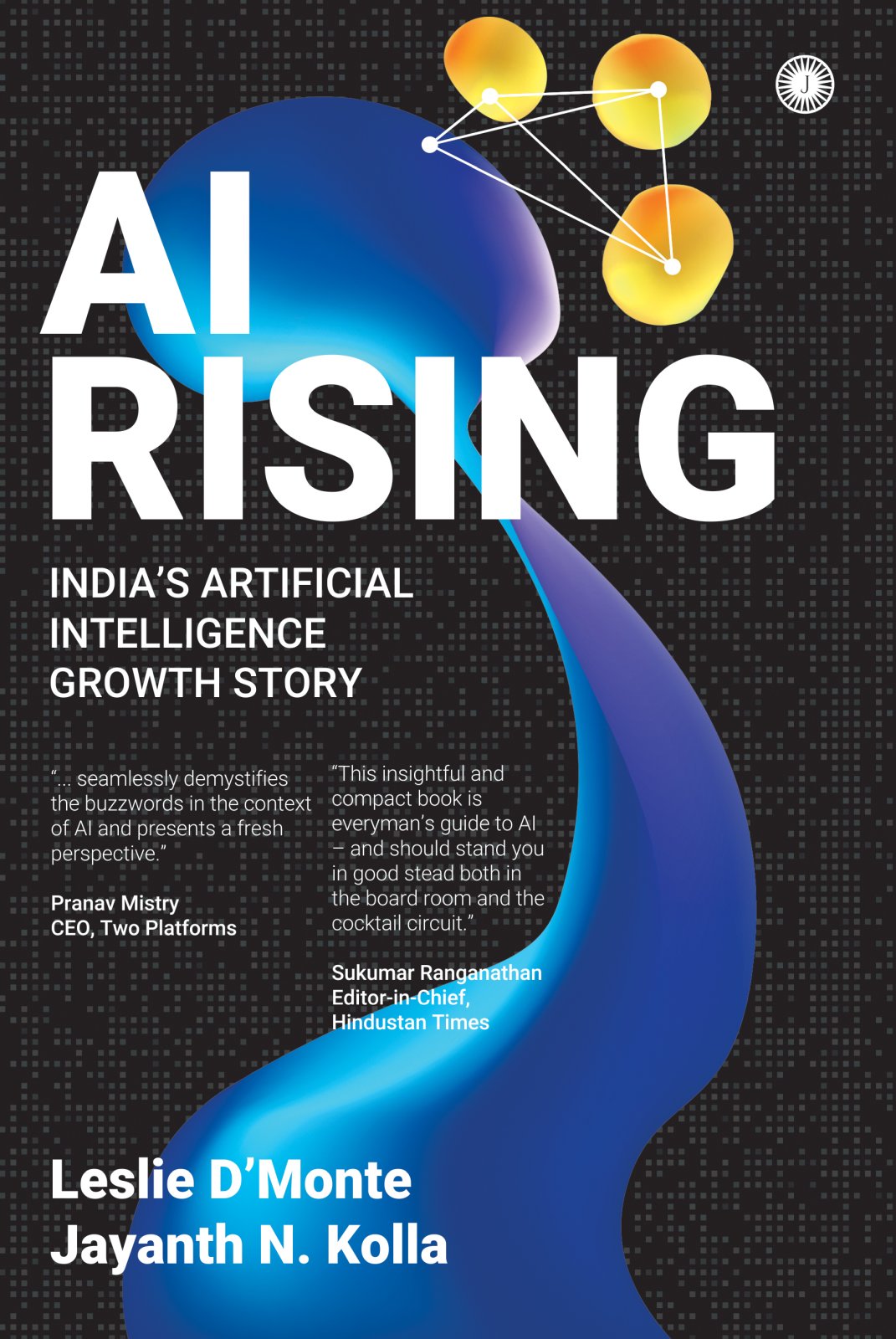
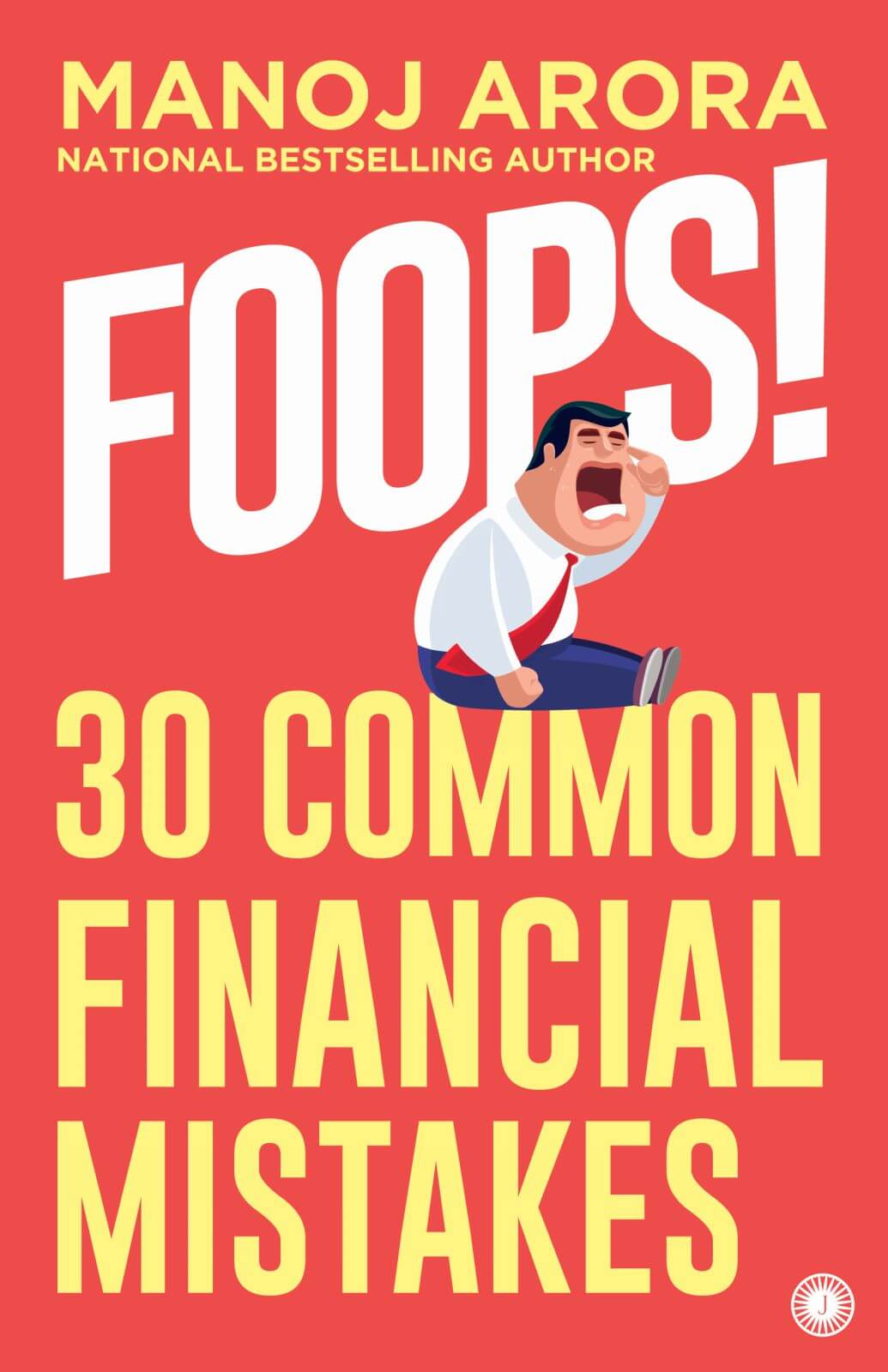
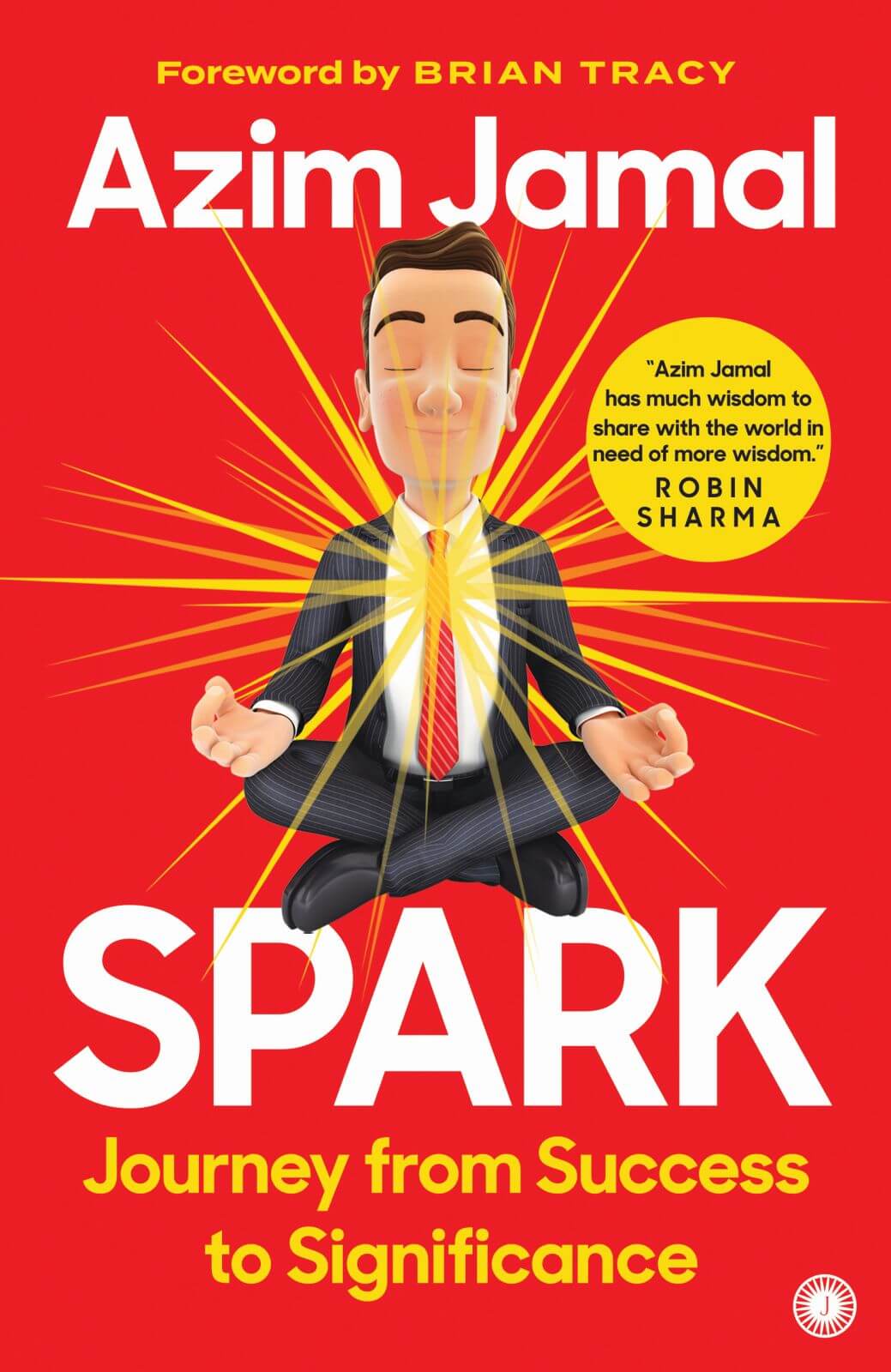
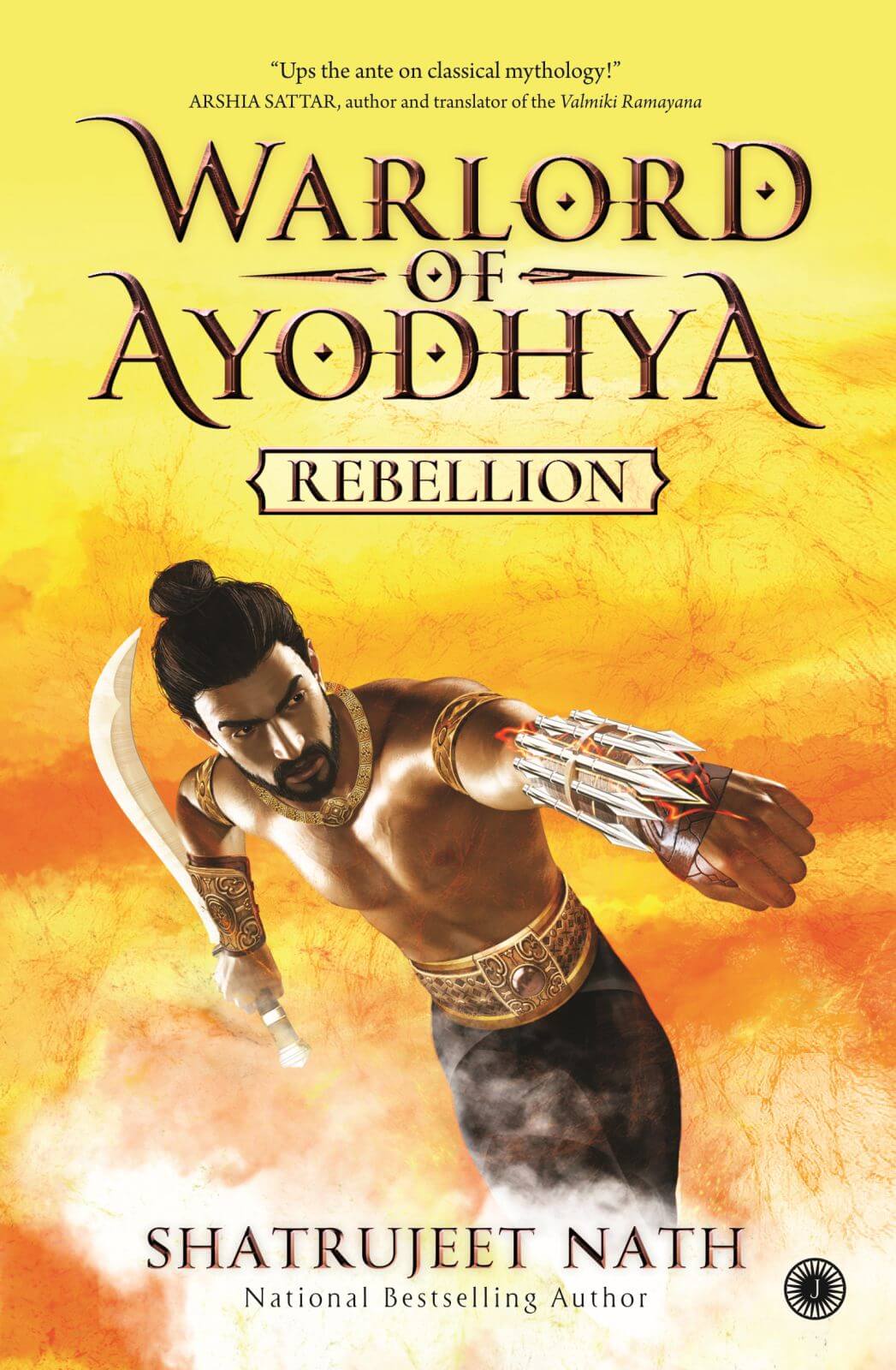
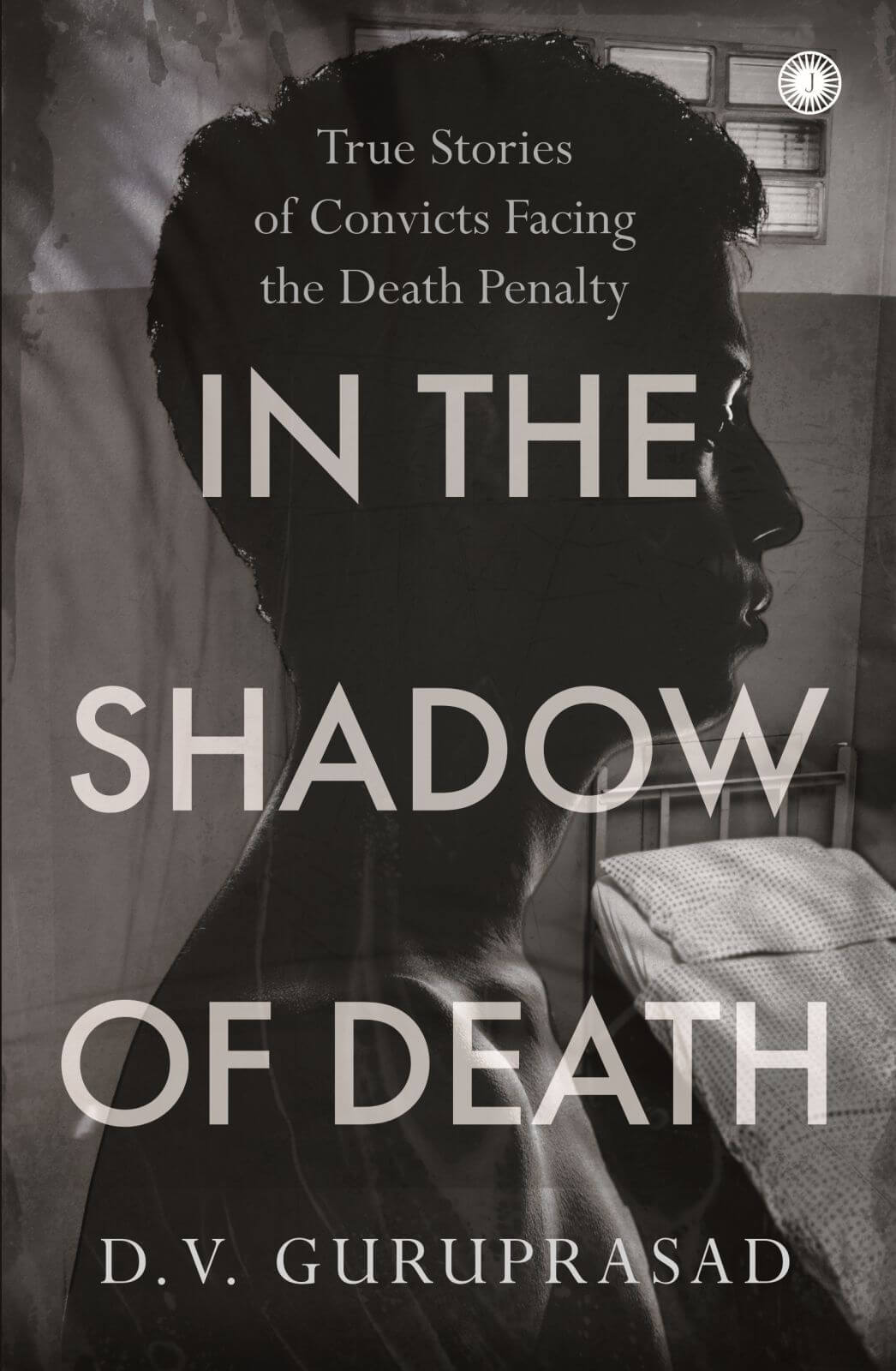
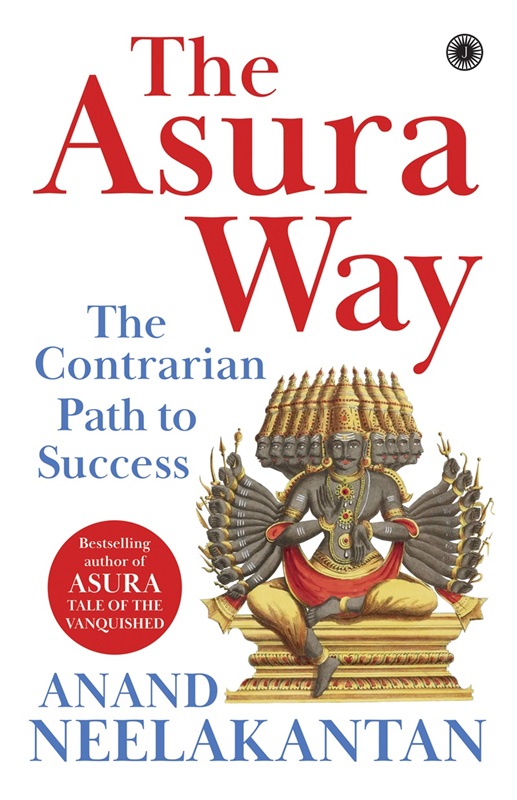
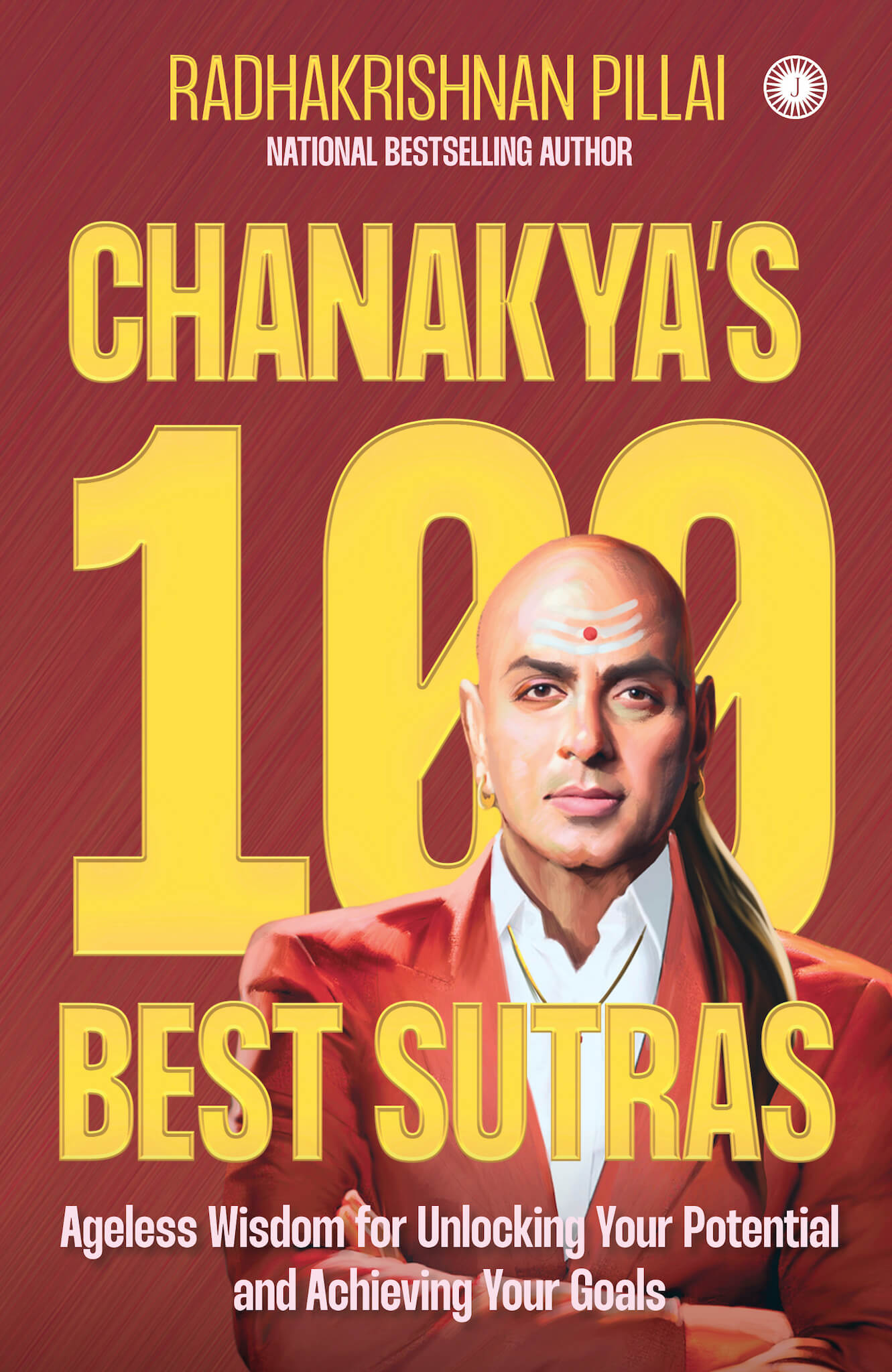
The shelf below is the visible slice of the work: eight of the fifteen titles, each openable to the jacket copy that went to print. The rest of the job, the part that doesn't photograph, is the chain that follows.
What the work involves
Between a manuscript arriving and a jacket on that shelf, I made four kinds of decision.
Manuscripts came in faster than the house could publish, so the first decision on each was whether it should be published at all. I read it, set the sales of comparable titles beside it, and wrote a recommendation to take or pass. The publisher and editor-in-chief made the acquisition decisions.
On a few projects I helped shape the manuscript while the author was still delivering it. A structural note asks where the book keeps the promise it makes. Do the chapters arrive in the order the argument needs, and is the part only this author could have written actually on the page? A term that turns up before the book has explained it is the kind of fault I mark there.
The passes come after the shape is settled. I read for what a reader trips on and take it out, and I leave what the author sounds like even when I would have put it differently, because the book has to sound like the person on the cover. I check the facts as I go, and the style sheet records every choice so the last proof agrees with the first.
Every change is a request to a person who has spent longer with the book than I have. So the query names its reason, and where the book already does what I am asking I point there first, so the author has the fix in their own hand. Then the manuscript passes between us until neither of us has a change left.
The run of a book
Behind each jacket sits the rest of the job. All fifteen titles walked the same chain, and the schedule for each was mine to hold.
-
Scope
I read the manuscript, set the edit and the schedule, and logged the title. The metadata sheet behind its Amazon listing started here too.
-
Route
In-house, or out to the network of freelance editors, typesetters and cover designers. I recommended the split to the editor-in-chief, weighing how stretched the house was against what the book needed.
-
Passes
I ran the editorial passes myself, on every title, fact-checking as I went. Writers are attached to their words, so much of the job was negotiation; the manuscript went back and forth between us until it settled.
-
Pages
I worked the review and selection of the typeset samples, and publisher and author settled how the book would read and look. The decision was never mine alone.
-
Proofs and jacket, in parallel
Proofreading
On many titles I read the set pages against error, round after round. The rest went to a freelance proofreader, still on my clock.
Jacket and market copyCover design stayed with the designers; the blurb, the Amazon page and the sales material stayed with me.
-
Print
I coordinated corrections on the printed dummy, took the pricing to the publisher for approval, and handed the book over. When the typesetter was booked or another round cost too much, I made the final fixes in InDesign myself.
I kept the style sheets, and refreshed the in-house style guide against the Chicago Manual of Style. When Jaico licensed titles from publishers abroad, I shepherded them into their Indian editions.
A print run commits the house's money months before a reader ever sees the book, and a mistake nobody catches ships two thousand copies at a time. I earned my attention to detail there.
The launch feed
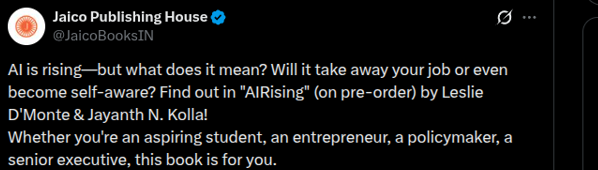
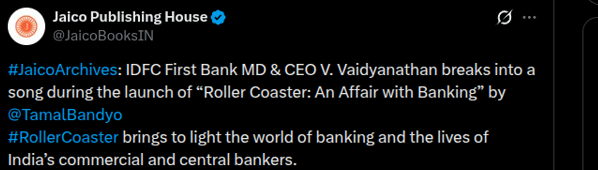
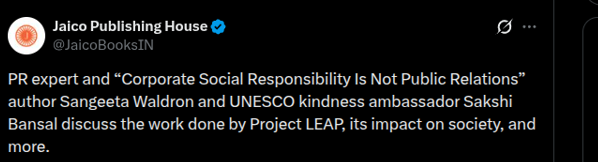
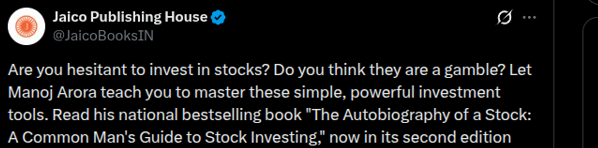
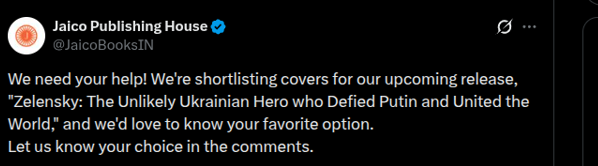
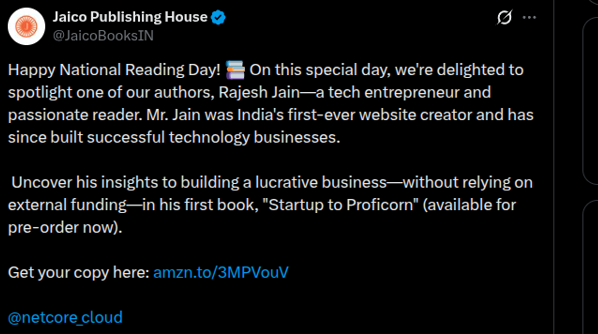
The run ends at the printer, but the book still has to find its readers. Jaico's handles did that work. I wrote and edited the feed's copy and ran the pre-publish check on it. Launch posts, author spotlights, cover votes, a reading-day peg. Some titles crossed my desk twice, once for the back cover and again for the launch copy: the same voice held from the shelf to the feed.
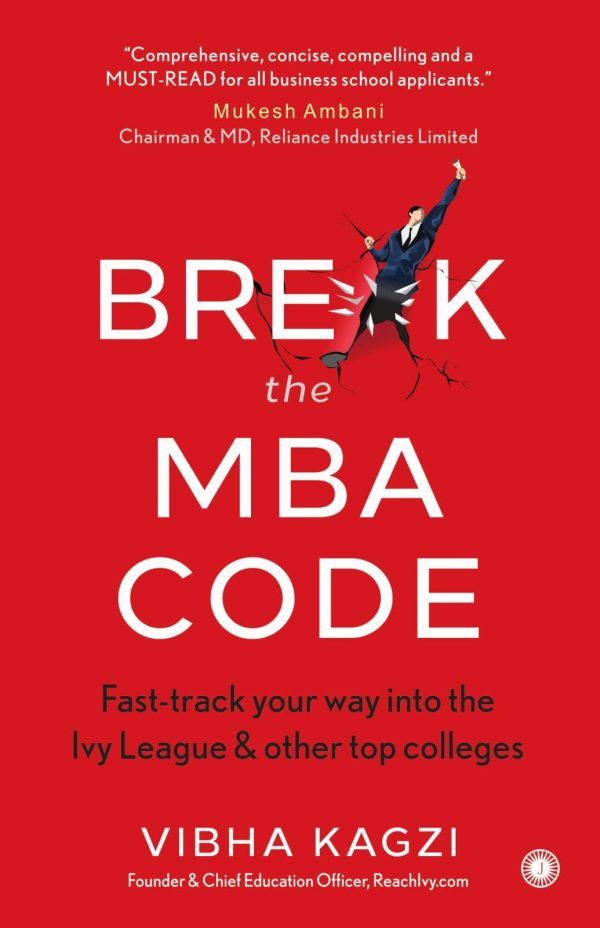
Break the MBA Code
I was the collaborating editor on Vibha Kagzi's guide to MBA admissions, a manuscript that ran to 95,000 words. The book came out from Jaico in 2020. On the publisher's page
Since Jaico
The manuscript work since has been freelance, research and editorial support on six coffee-table books, one per airport, and manuscript evaluations for Jaico. Those notes go to the publisher and the authors and nowhere else, which is why this page describes the practice and shows the books.